A sustainable social media strategy starts with the people you can help and the questions they ask. Publishing frequently is not useful if the material is inaccurate, repetitive, or disconnected from the business's services.
Choose a clear purpose
Decide whether the account primarily explains services, answers common questions, supports existing customers, or introduces the business to prospective buyers. One account can serve several purposes, but each post should have a recognizable job.
Write a one-sentence brief for the account: who it helps, what they need to understand, and what your team can reliably explain. Then give each post one primary job. A service update, preparation tip, and company introduction can all fit the account, but they need different wording and different next steps.

Build a small editorial routine
Collect questions from conversations and turn them into a few repeatable themes: practical advice, explanations of your process, and updates that matter to customers. Use actual examples only with permission. Avoid publishing private customer details or claiming an outcome you cannot substantiate.
If the routine includes endorsements, paid partnerships, or customer testimonials, review the FTC’s endorsement and influencer resources for guidance relevant to those formats.
| Content theme | Example topic | Useful destination |
|---|---|---|
| Preparation | What to gather before requesting support | Relevant checklist |
| Process | What happens after an inquiry | Service explanation |
| Common question | Who approves changes to office equipment? | Detailed guide |
| Business update | A confirmed change to a service | Updated service page |
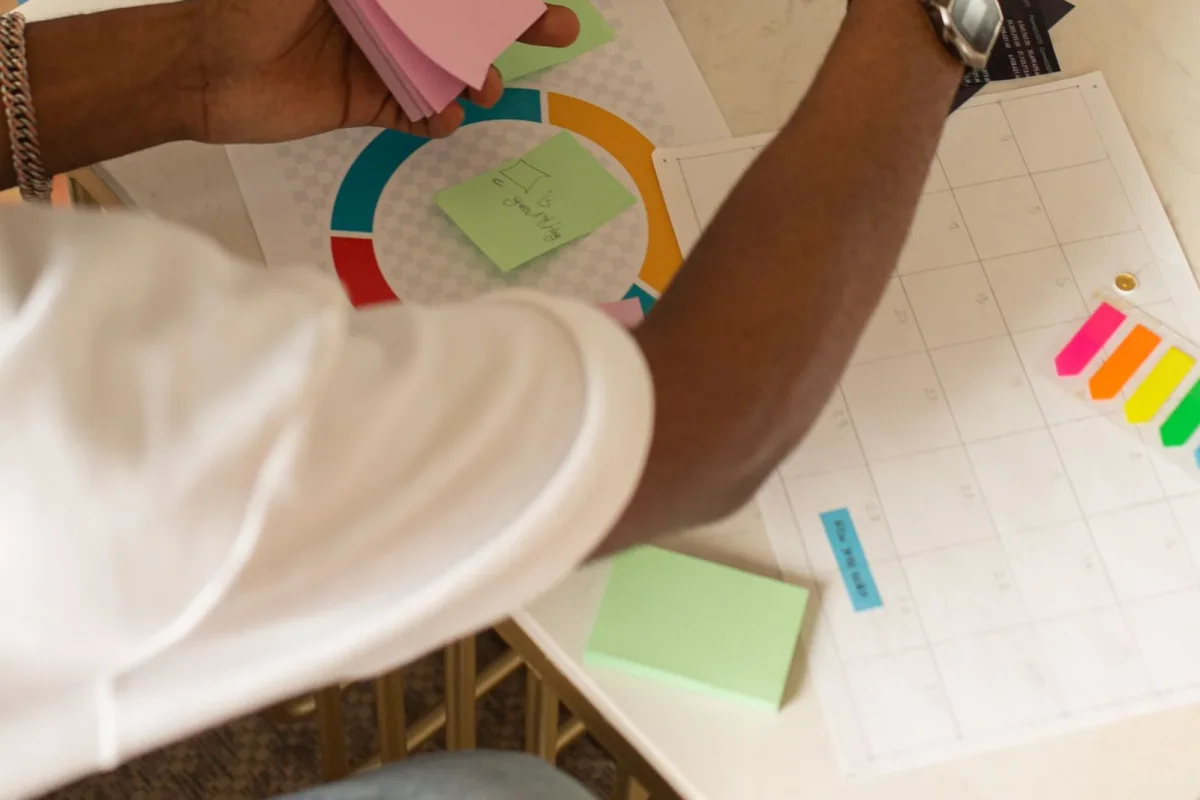
Keep a small queue of drafts rather than committing to a volume the team cannot review. The person checking facts should confirm that the post still matches the current service. Choose a relevant image and describe its purpose accurately; a stock photograph should not be presented as a customer case or staff portrait.

Connect posts to a useful destination
When more detail is needed, link to a relevant guide or service page. Check that the landing page answers the question raised in the post and works on mobile. Do not force every educational post into an immediate sales pitch.
Use W3C’s accessible-writing tips when checking the destination’s headings, link wording, and image descriptions so the explanation is easier to follow.
Test the link and read the page on a phone before the post goes out. Check that the opening explains the same topic and that the reader can find the promised detail. If the page has changed since the draft was written, revise the post too. Keep a record of published links so outdated destinations can be found later.

Plan responses and review
Assign responsibility for comments and messages. Move sensitive support matters to an appropriate private channel. Review the quality of conversations, relevant website visits, and suitable inquiries alongside engagement counts.
Set a realistic routine for checking comments and messages, including who covers absences. Acknowledge questions within the team's actual capacity and route requests to the person who can answer them. Keep private account or device details out of public replies.
| Review question | What to look for |
|---|---|
| Did the topic help? | Relevant questions or useful conversations |
| Was the destination suitable? | Readers reaching the intended information |
| Did the message confuse anyone? | Repeated assumptions that need clarification |
| Can the team maintain it? | Time needed to draft, approve, and respond |
Choose a publishing schedule the team can maintain and adjust it based on useful results. For technology-specific examples, read social media for IT companies, or discuss a manageable plan with Your Expert Tech.